How to Choose the Right Roofing Materials for Texas Weather
How to Choose the Right Roofing Materials for Texas Weather
Blog Article
A roof's integrity is vital for ensuring a secure and pleasant living space. Proper upkeep of your roof shields your home from harsh weather conditions while also boosting its visual appeal. Whether you have a flat roof, a shingle roof, or a more intricate tiling design, it’s important to recognize the details involved. Homeowners should educate themselves about the various roofing materials, repair methods, and the range of contractors available for roofing tasks. This article will explore the key elements of roofing, emphasizing repair techniques, selecting appropriate materials, and identifying trustworthy roofing experts in Texas. Given the importance of this overhead structure, making informed choices can lead to significant savings in both time and money in the future at at roofing.com. There is a broad range of roofing systems available, each with specific maintenance requirements and levels of durability. Shingle roofs, which are often crafted from materials like asphalt, wood, or metal, are favored for their budget-friendly pricing and straightforward installation. Despite their advantages, these roofs necessitate routine inspections to check for signs of deterioration. For instance, weathered wood shingles can provide a unique and rustic charm but will require close monitoring to prevent issues like leaks or rot. Flat roofing systems are another prevalent option, frequently found in commercial properties, although they present distinct challenges. Effective drainage is essential to prevent water from pooling, and materials such as EPDM rubber or TPO are commonly used to enhance waterproofing capabilities. On the other hand, tiled roofs, which can be composed of clay or concrete tiles, are known for their robustness and aesthetic appeal but can be quite heavy, necessitating sturdy decking beneath to support their weight. The decking roof acts as the foundational layer that supports the installation of shingles or tiles. Ensuring that the decking is solid and well-maintained is crucial for any roofing system's integrity. When choosing roofing materials, it's important to take into account their weight and how they align with existing decking structures. If you're planning a roofing repair or replacement, it is imperative to consult with experienced roofing professionals who recognize the critical nature of proper decking. Any visible signs of warping or damage should be addressed promptly to prolong your roof's lifespan. When it comes to roofing repair, selecting the right contractor can significantly influence the quality and longevity of the work. In Texas, numerous companies claim to offer competitive services, so it's crucial to do your research. Look for contractors with positive reviews and verify their licenses and insurance. A professional roofing repair company should provide a detailed contract, outlining the scope of work, materials used, and estimated time for completion. Additionally, ask about their previous projects, especially those similar to the repairs you require. Many roofing companies in Texas have portfolios showcasing their work, giving you a better idea of what to expect. Reliable contractors will also offer warranties on their work, giving you peace of mind that you’re protected if issues arise shortly after the repair. Before undertaking a small repair or an entire roof replacement, thorough preparation is essential to make the process smoother and reduce inconvenience. Begin by drafting a comprehensive roofing repair checklist. This list can encompass details such as the kind of shingles you want to utilize, any necessary permits to secure, and potential roofing contractors to consider. Furthermore, evaluate the overall condition of your roof and document any noticeable damage. Such observations will enable roofing professionals to offer more precise estimates for the work required. It's beneficial to involve your family in conversations about the impending repairs, ensuring that everyone understands the situation. If your home is still covered by a warranty, it’s critical to review the terms before initiating any repairs, as certain warranties may stipulate specific protocols that must be followed to retain their validity. For commercial properties, the implications of a roof failure can be even more severe. Such an event can result in property damage, service interruptions, and potential revenue loss. Therefore, adopting a proactive stance towards roofing maintenance and repairs, including regular inspections, will safeguard your investment over time. Investing in preventative services is also wise. Numerous companies provide maintenance programs or routine inspections designed to identify issues before they escalate, ultimately saving you both time and money. Routine maintenance can greatly prolong the life of your roof and reduce costly repairs down the line. Regular inspections can highlight potential issues before they turn into serious problems. You might notice several indicators that suggest your roof requires repairs, including missing shingles, leaks inside your home, sagging areas, and visible signs of deterioration. Routine inspections are crucial as they can help identify these concerns early on. The expenses related to roofing repair can fluctuate based on the nature of the repairs, materials selected, and overall labor costs. Generally, minor repairs might cost a few hundred dollars, while larger projects could escalate to thousands. The duration of roofing repairs is influenced by the level of damage and the materials being utilized. Simple repairs are often completed in a single day, while more complicated tasks may require multiple days or even longer. Although certain minor repairs can be handled by an experienced homeowner, roof work poses risks without adequate safety measures. For more significant repairs, it is advisable to engage professionals to ensure the job is done safely and effectively. Given the tough weather conditions in Texas, selecting durable materials is key. Options like metal roofing, tile, or high-quality shingles offer enhanced longevity and resilience against severe temperatures and storms. If you have a concern about potential leaks, begin by thoroughly inspecting your roof and ceilings for noticeable signs. It’s important to reach out to a roofing repair service without delay to evaluate the issue and carry out necessary repairs to avert any further damage. In summary, understanding roofing repair is essential for every homeowner. From identifying potential issues to selecting the right professionals for the job, taking proactive steps ensures roof longevity and protects your investment. By staying informed about roofing materials, repair options, and local contractors, you can make smarter choices that enhance the safety and value of your home over time.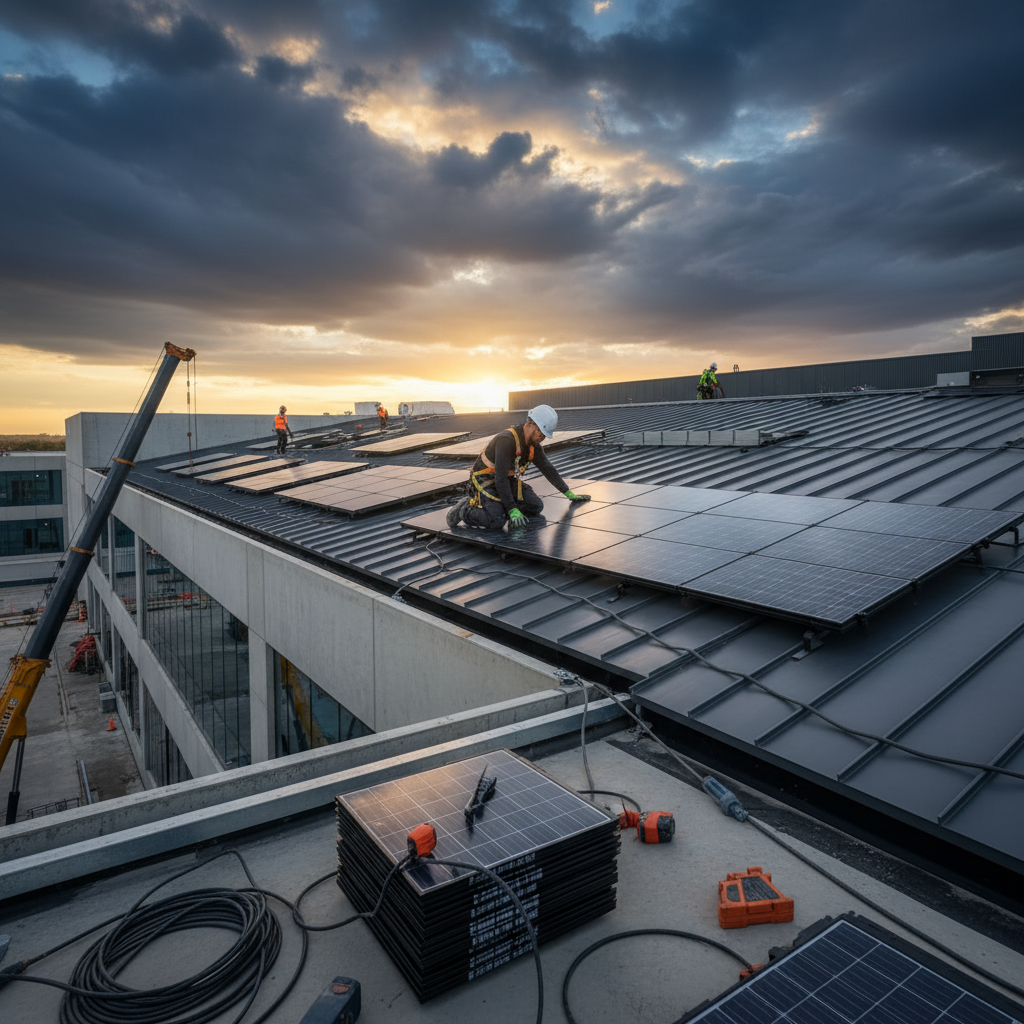 roofing repairroofing repair overview
Exploring Various Roofing System Types
Considerations for Decking Roofs
Choosing the Right Roofing Repair Company
Getting Ready for Roofing Repairs
Tips for Maintaining Your Roof
Steps for Successful Roofing Repair
Frequently asked questions
What are common signs that my roof needs repairs?
How much does roofing repair typically cost?
How long does a roofing repair take?
Can I do roofing repairs myself?
What roofing materials are best for Texas?
What should I do if I suspect leaks?